Next-Gen Forklift Interface Research
Timeline: 3 Months
Skills: On-site interviews, AI-assisted synthesis, Opportunity framing
Tools: Plaud, Claude AI, Notebook LM
Background
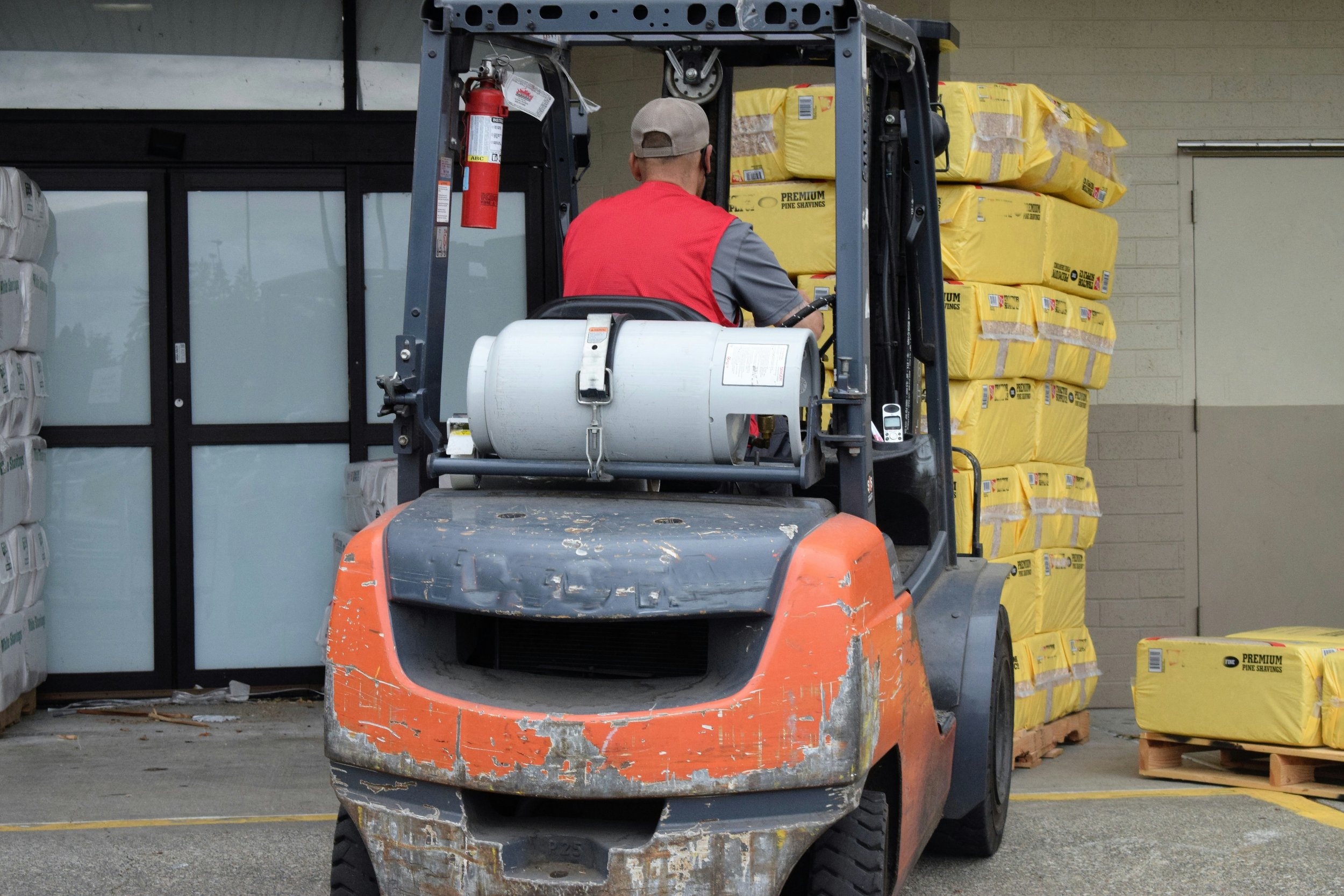
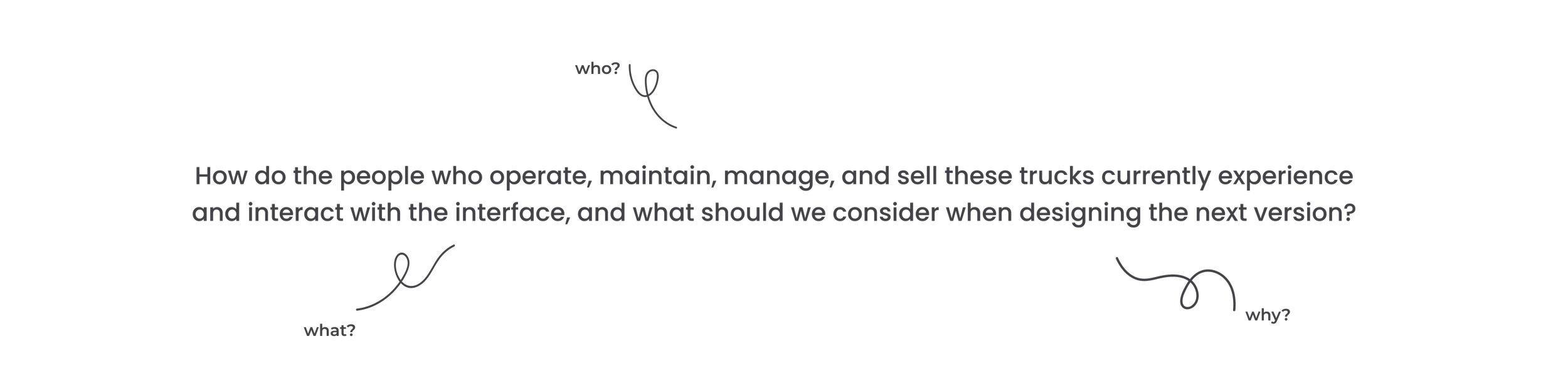
Our client came to us wanting to modernize the interface across their lift truck portfolio. The existing display had been in use for more than 20 years and was starting to feel outdated compared to newer products and their competitors. The company had done very little user research in the past, so there wasn't a clear understanding of how the interface was actually being used in the field today.
Challenge
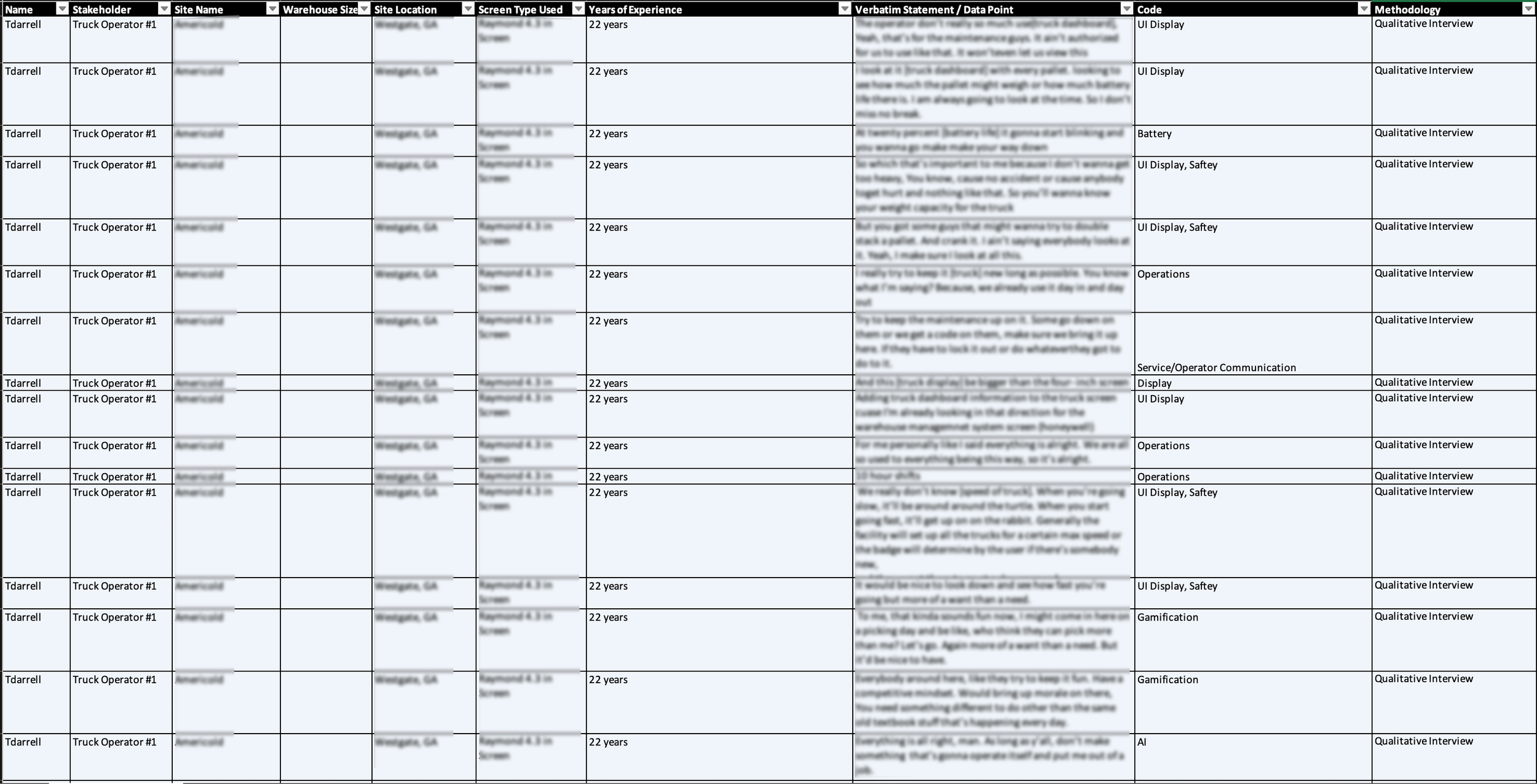
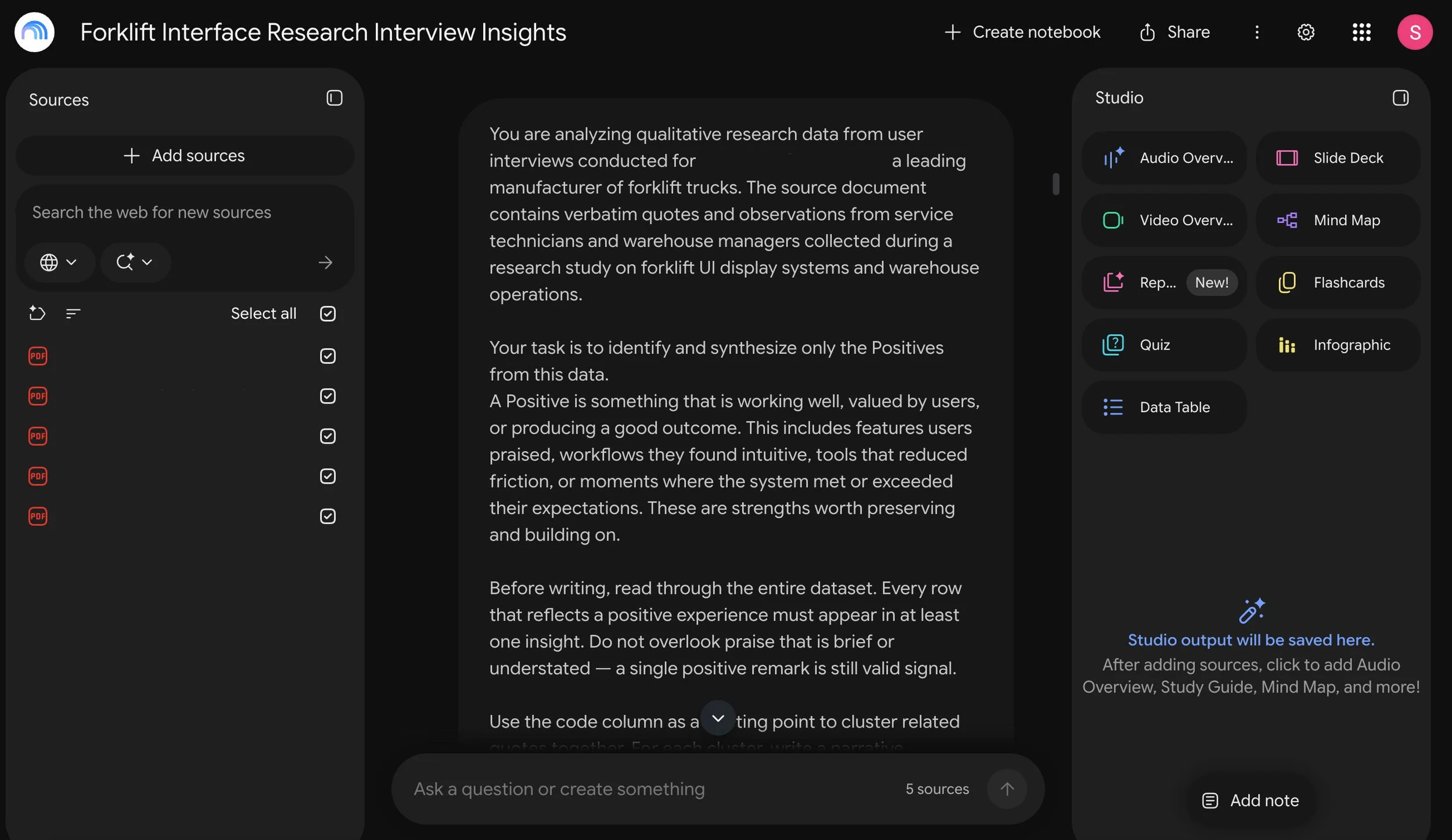
I then reviewed the AI-generated themes against the original transcripts to make sure each finding was grounded in participant feedback. NotebookLM’s source citations made it easy to trace themes back to the original quotes. From there, findings were organized into three areas: pain points, opportunities, and what’s working well.
What We Delivered
Impact
Reflection and Takeaways
This project explored how users across the forklift truck ecosystem experience the current truck interface. Through interviews and in-field observation, we identified pain points, workarounds, and unmet needs that will help shape a more intentional and modern interface experience.
No two warehouses were exactly alike, so every site had a different research approach. We adapted our conversations and observations based on the facility, workflow, and stakeholders available to us.

10 Service Technicians
4 Business Development Leaders
Our field research was a mix of:
Facility Tours
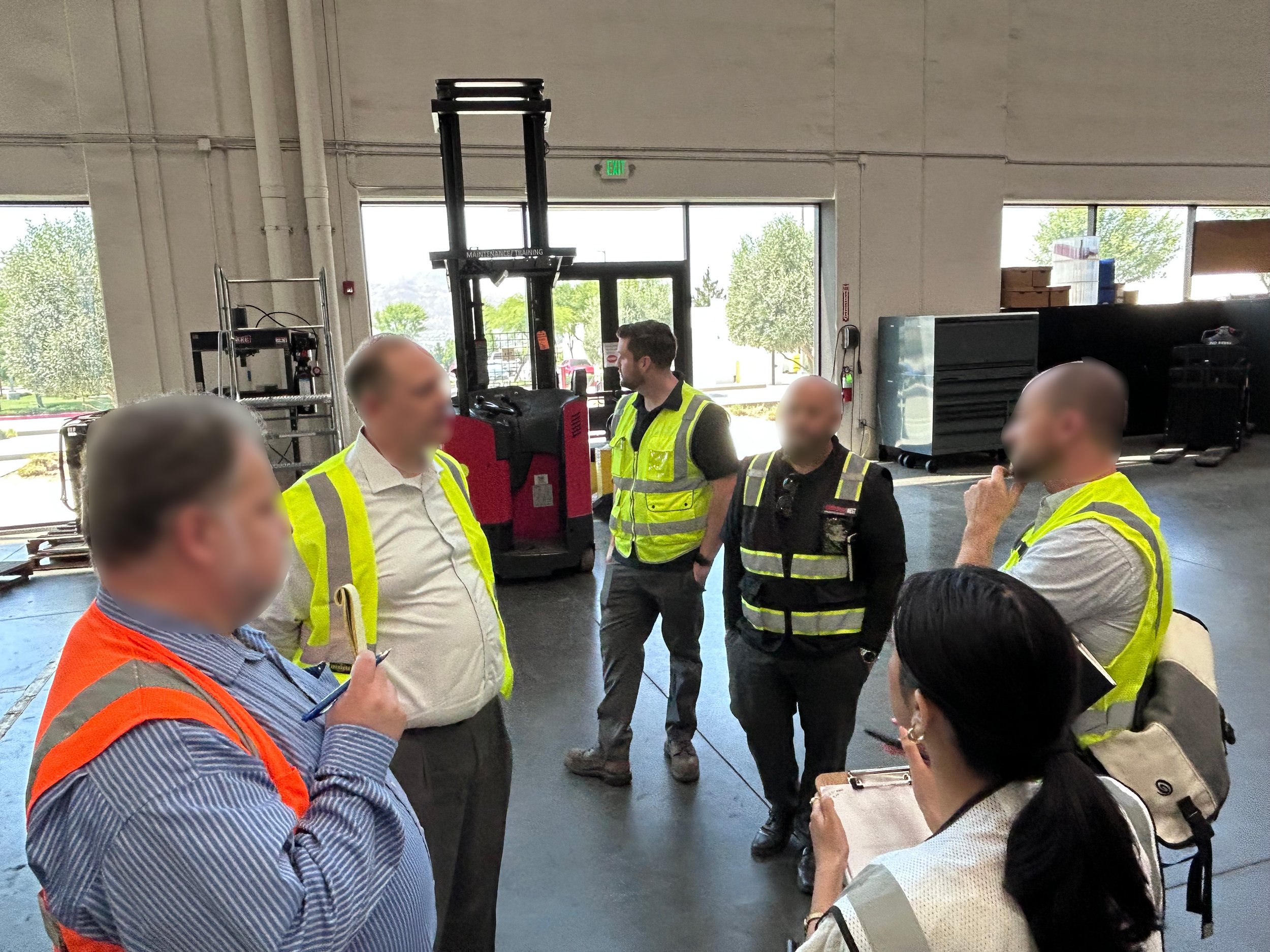
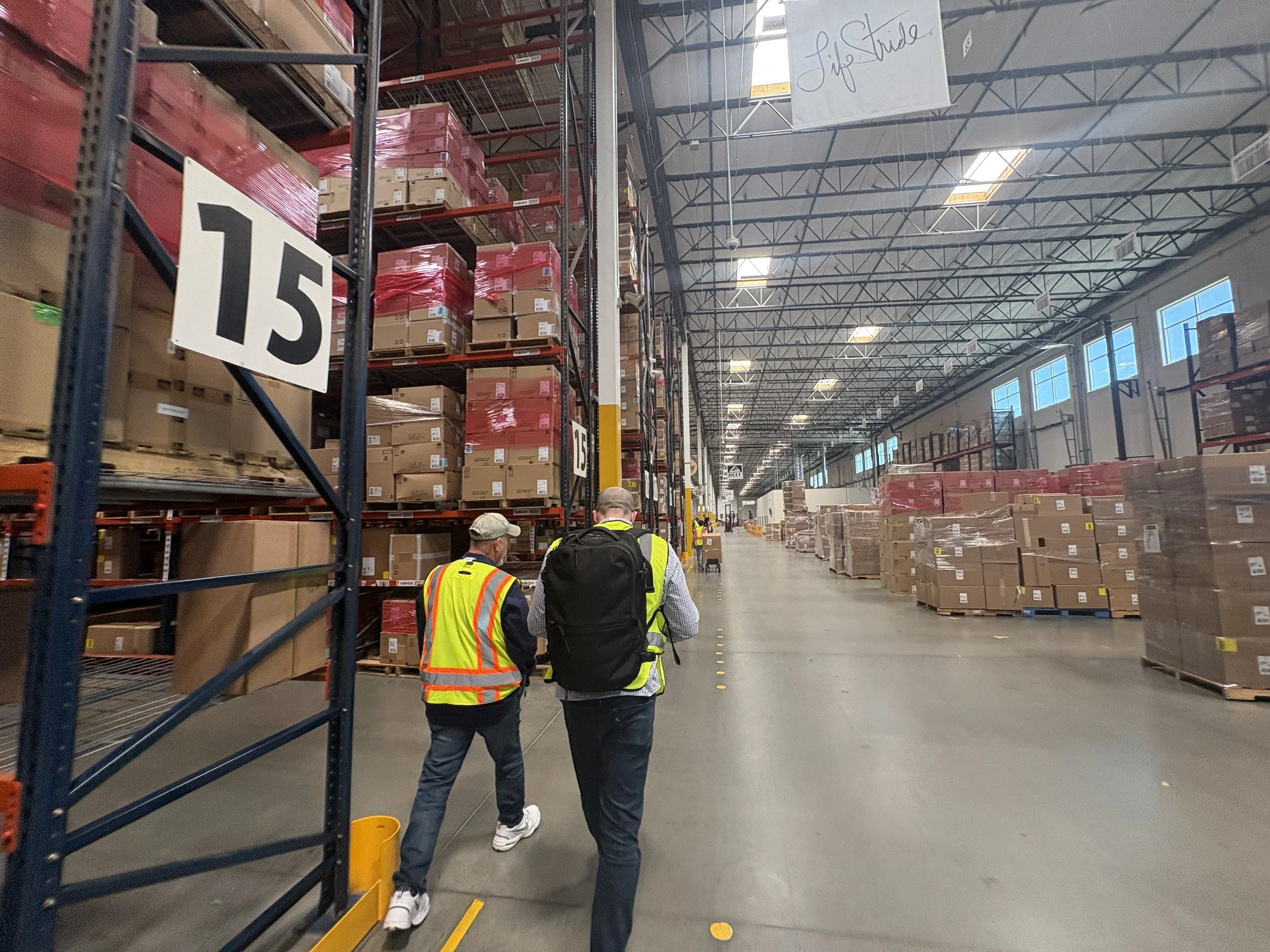
We typically started with a tour led by a service technician or warehouse manager. They walked us through the facility, explained how operations were organized, and helped us understand where and how the trucks were being used.
In-field observation
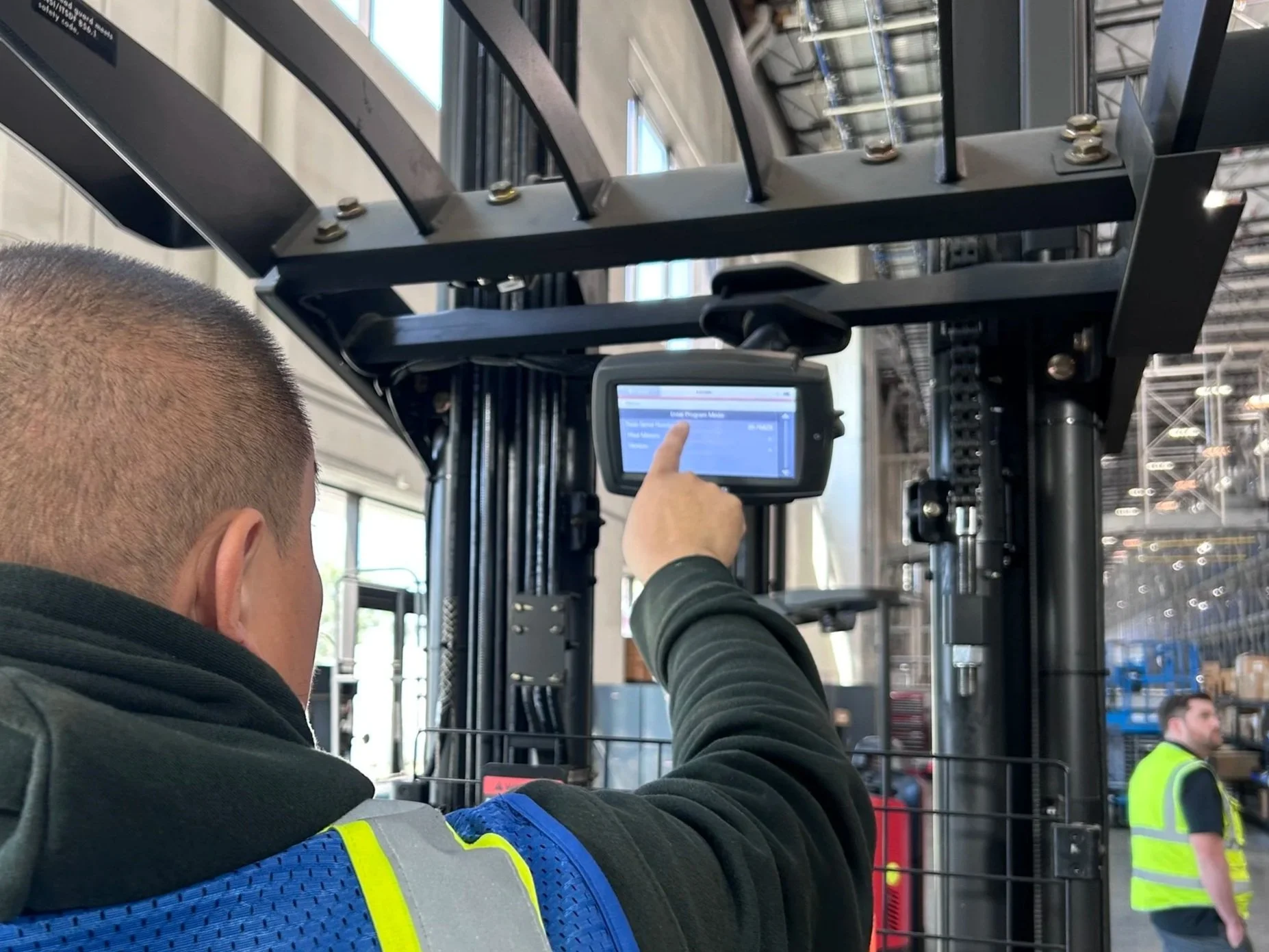
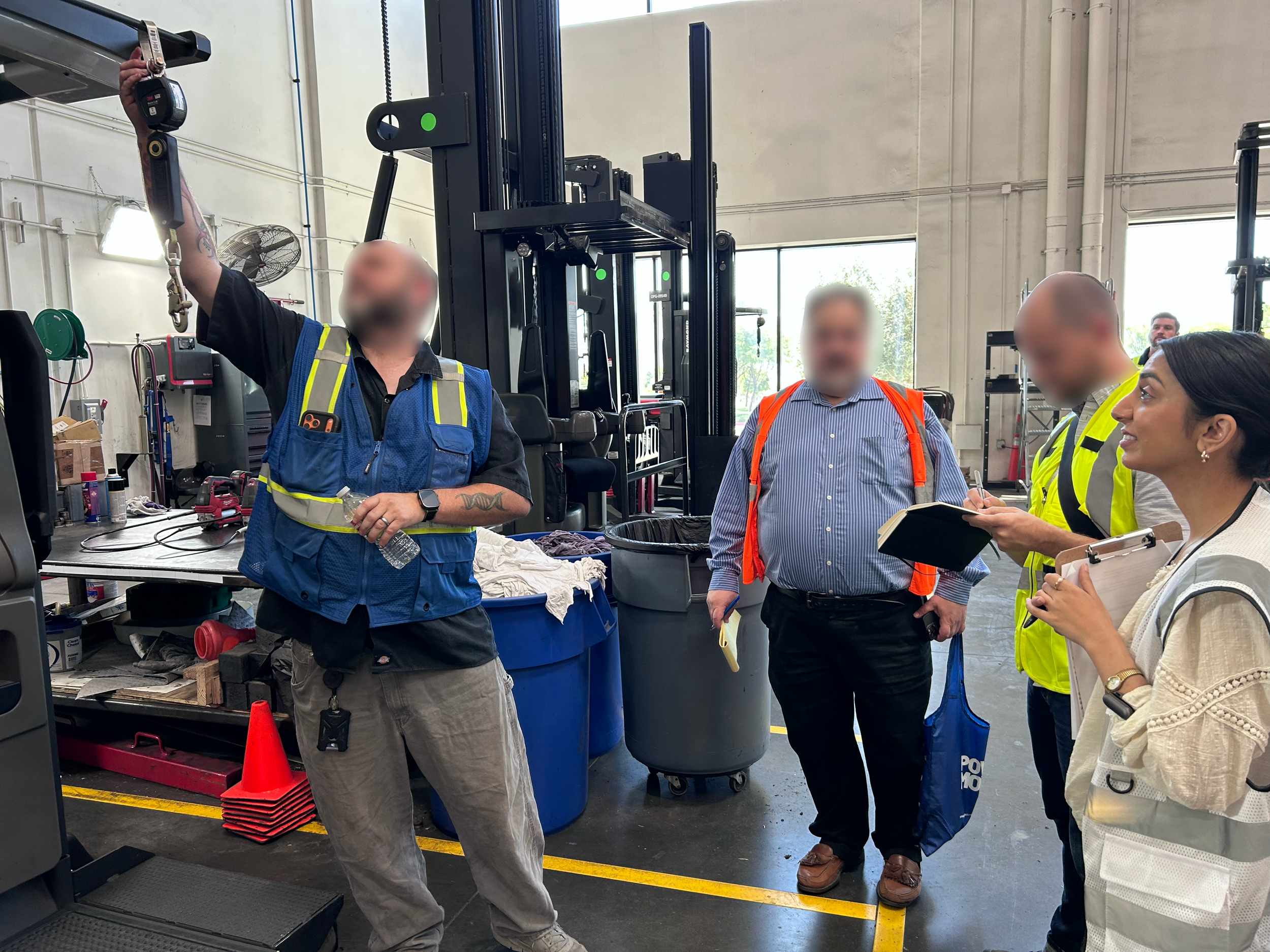
We observed operators using the trucks during their normal workflows, paying attention to how they interacted with the display, what information they relied on, and where they encountered pain points.
Interviews and intercepts
Based on the team's availability, we spoke with a range of stakeholders, from 10- to 15-minute operator intercepts to longer conversations with service technicians and warehouse managers. Site contacts often helped us identify operators who could provide particularly useful perspectives
Being on site allowed us to see how the real working environment, including lighting, temperature, gloves, noise, and the pace of the warehouse, shaped how users interacted with the display. We also were able to witness users work naturally and see the different workarounds and customizations they had developed for themselves.
Our Assumptions About the Interface Didn't Match Reality
We went into the research expecting operators to be frequent users of the display, but early conversations and observations showed that many operators interacted with it much less than the client expected. Combined with the limited time we had with operators on the warehouse floor, this shifted how we approached our interviews with them.
What We Changed
Instead of focusing only on how operators currently used the interface, we became more intentional about exploring how they could potentially use it in the future. Since our operator conversations were often only a few minutes long, we focused our questions on areas where we could learn something new rather than spending time on current use patterns that were consistent across participants.
This helped us better understand what information and functionality operators might find useful in a future interface, while moving beyond the assumption that improving the display simply meant making it better for frequent use.
Analysis
Each interview was transcribed, and key quotes were organized in Excel and coded by topic. I used NotebookLM to identify recurring patterns across pain points, workarounds, behaviors, needs, and what was already working well. This analysis was done separately for each stakeholder group to capture each of their unique experiences
We brought the research together into:
A topline summary of the main themes we saw across the fieldwork
An insights and opportunities report with recommendations for the short, mid, and long term
The research helped the client make the case for moving forward with a new UX/UI system and supported approval for the next phase of design in the 2027 fiscal year.
More importantly, the research gave the team a clearer picture of how the trucks were actually being used in the field. Instead of making decisions based mainly on what the interface should look like, they now have research as evidence when thinking about the overall warehouse experience.
The findings will be used to guide the next phase of the operator interface, with a focus on:
Reducing the amount of effort needed to find and understand information
Supporting safer interactions
Helping reduce downtime across the truck portfolio
This project gave me the chance to take ownership across the research process, from early planning through synthesis and writing the final report. It also allowed me to learn about an industry that plays a huge role in our everyday lives but often goes unnoticed. Along the way, I learned:
Adapting in the Field - You can go into research with assumptions that quickly change once you start talking to people. We expected operators to be the main users of the interface, but found that service technicians interacted with it much more than we expected.
Schedule Debriefs - Taking 10 to 15 minutes after interviews to discuss what we saw and heard helps the research team stay aligned and identify what information is actually important.
AI Requires Iteration - Using AI effectively takes iteration and a clear understanding of what you want the output to be. Once I had a better idea of how I wanted to organize the research for the report, I created intentional inputs to help me cluster themes.
Understand
Before going into the field, we wanted to understand what the team already knew and where there were gaps. We held a workshop with the client and extended team to map out what we know, what we think we know, and what we want to know about how people use the truck interface. This helped shape our discussion guides.
We also attended MODEX, a trade show for material handling, warehousing, and supply chain technology, to better understand the warehouse environment and industry. The show brings together equipment, automation, robotics, software, and other emerging technologies, giving us a chance to see how warehouse operations are changing and what new interfaces and technologies are being introduced.
Research
We conducted field research across 8 warehouse and dealership sites in Atlanta and Los Angeles. We spoke with 29 people across four different stakeholder groups.


10 Truck Operators

5 Warehouse Managers